Contact Us

Browse the latest posts under this category.
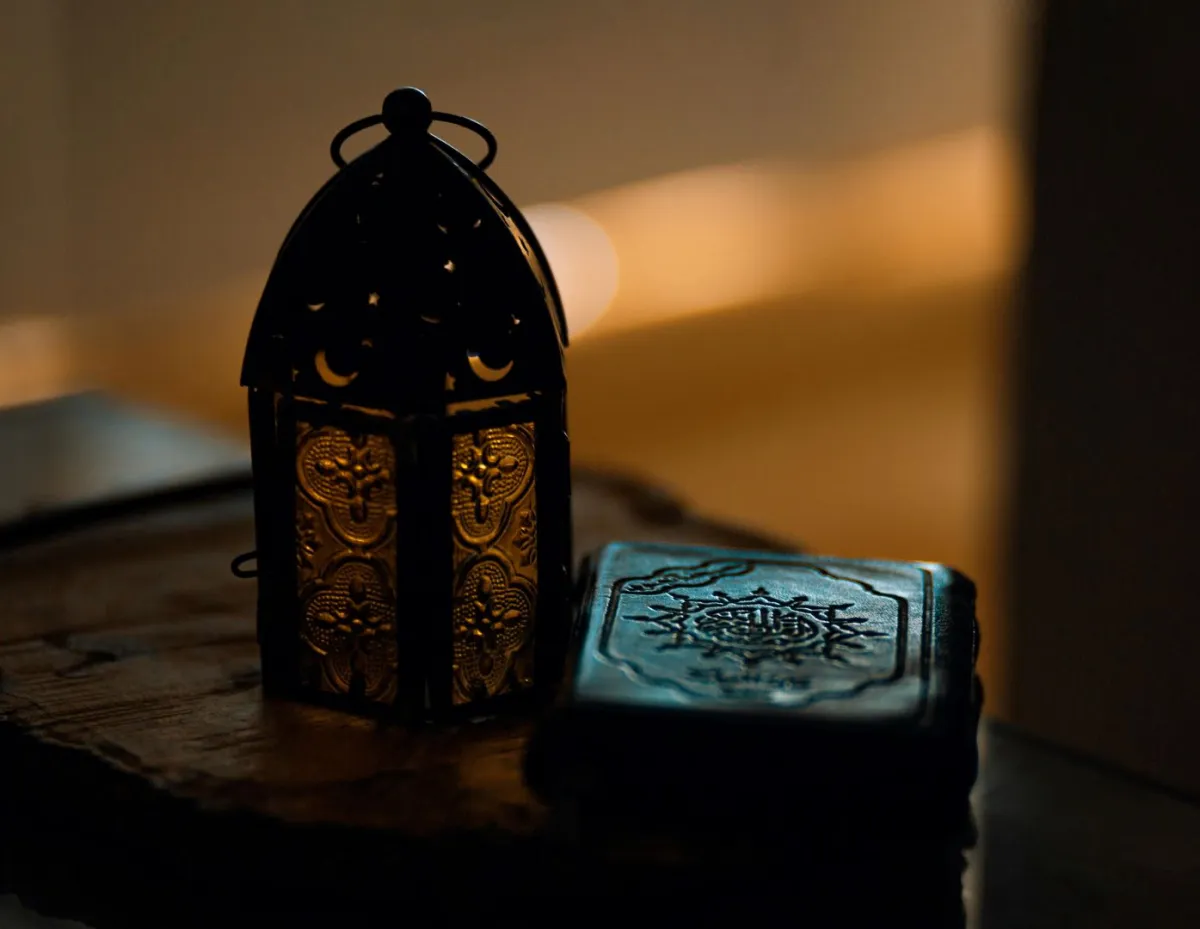
Ramadan ends, yet its impact remains: patience, connection with God, and ongoing generosity—lessons to carry into Eid and throughout the year.

After completing a Qur’an recitation in Ramadan, moments of reflection deepen the connection with God and leave a lasting spiritual impact on the reader’s heart and mind.
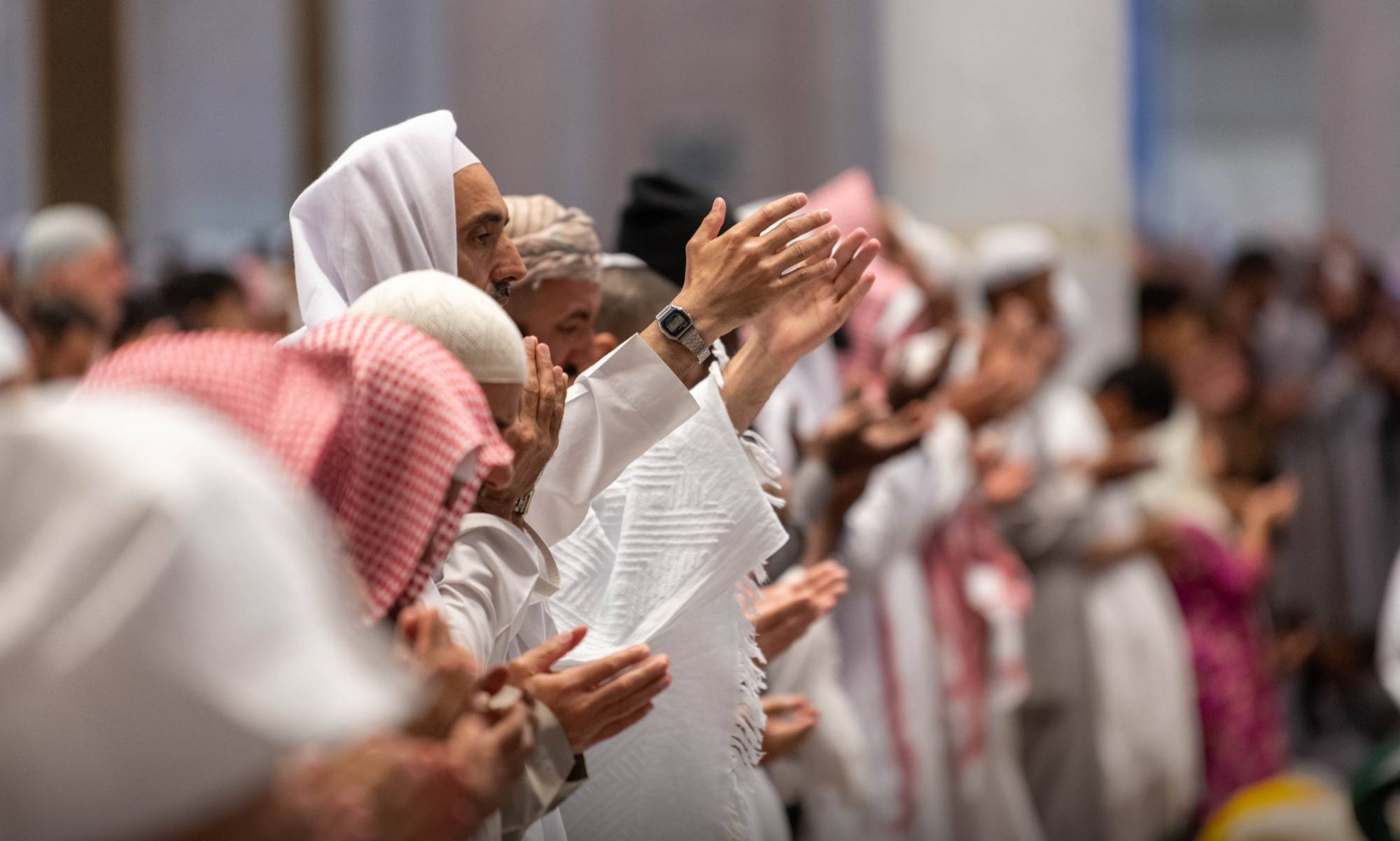
The Nights of Liberation in Ramadan are moments of mercy and forgiveness. Learn their spiritual and historical significance and how to maximize these blessed nights.
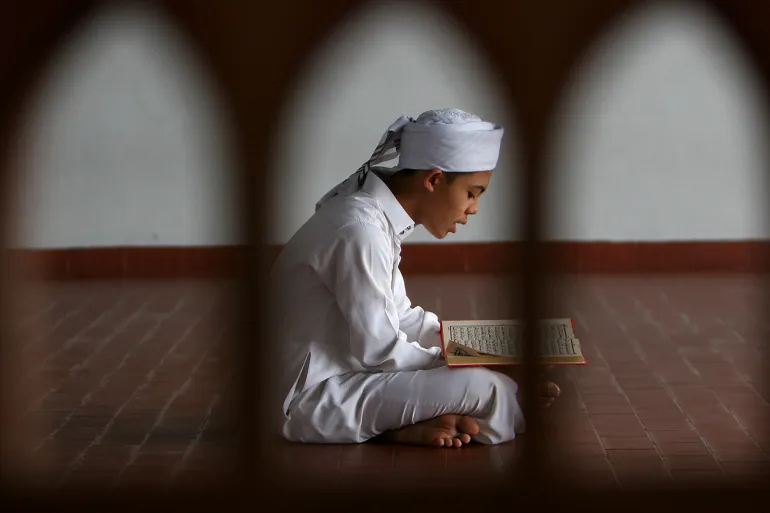
Qiyam al-Layl (night prayers) renews the heart and soul. Learn its virtues, Quranic guidance, prophetic traditions, scholarly rulings, and spiritual reflections from the Prophet ﷺ.
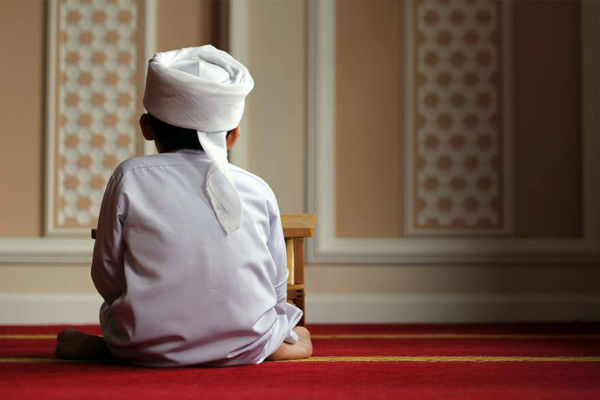
Laylat al-Qadr is better than a thousand months. Discover its virtues, recommended supplications, and how to make the most of this blessed night according to the Qur’an, Sunnah, and scholars.
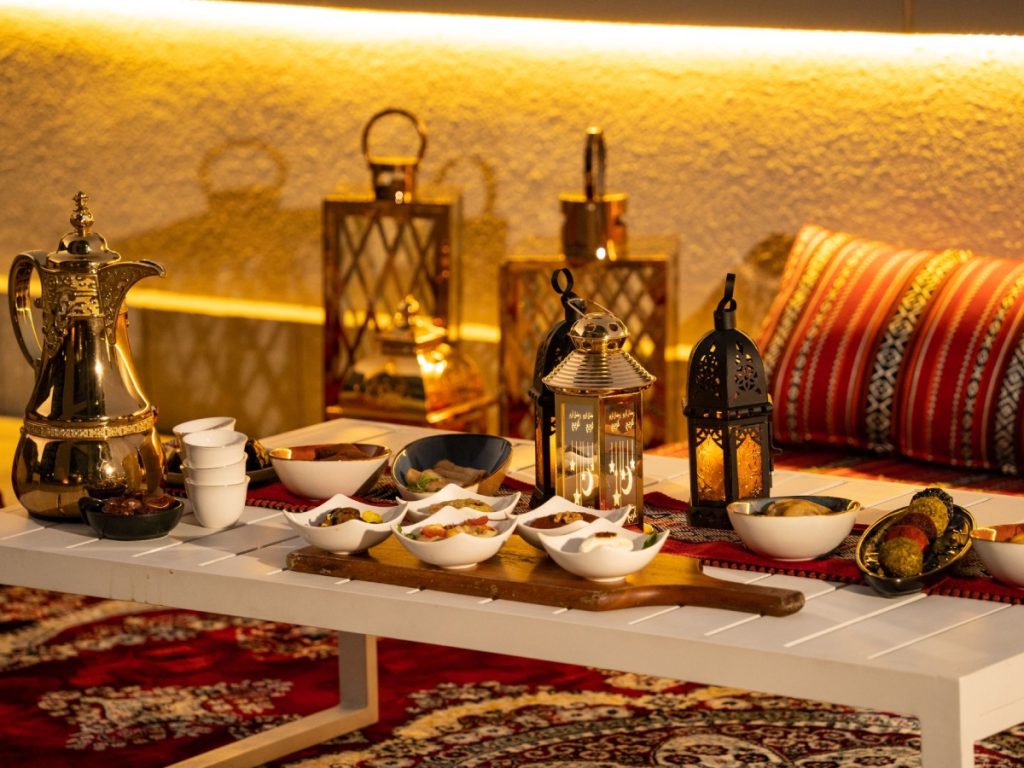
Suhoor is an act of devotion with two dimensions—a soul that advances and a body that endures. Revelation pointed to it, science has explained it, and its blessing is realized before dawn and extends throughout the day.
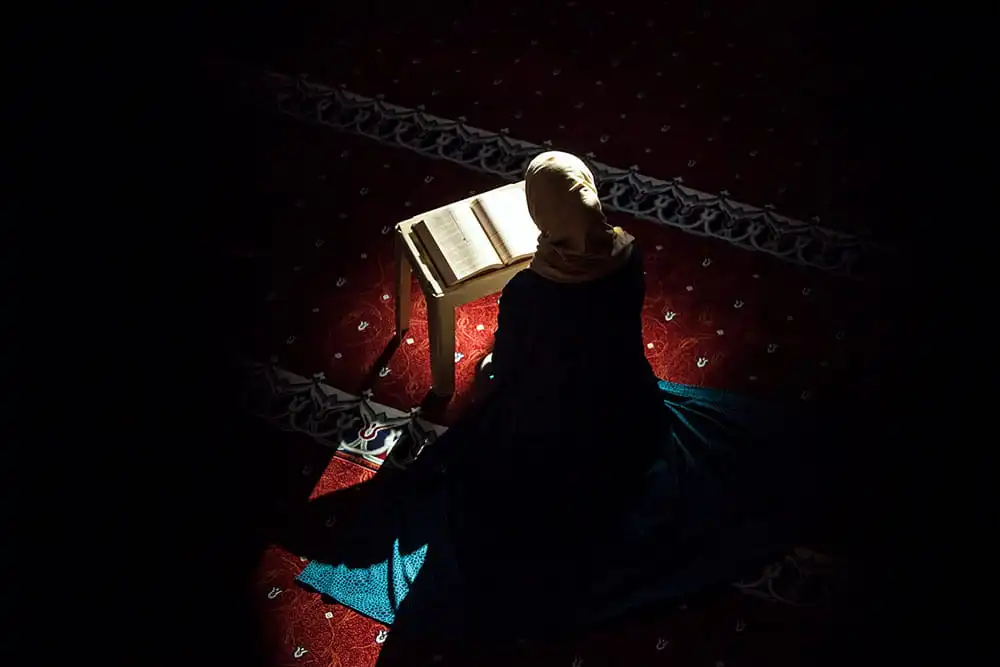
Ramadan teaches the reader to pause with every verse: What is this verse calling me to today? Which virtue does it awaken? Which shortcoming does it expose? In this way, the Qur’an moves from a momentary act of devotion to a guiding light for the whole day.
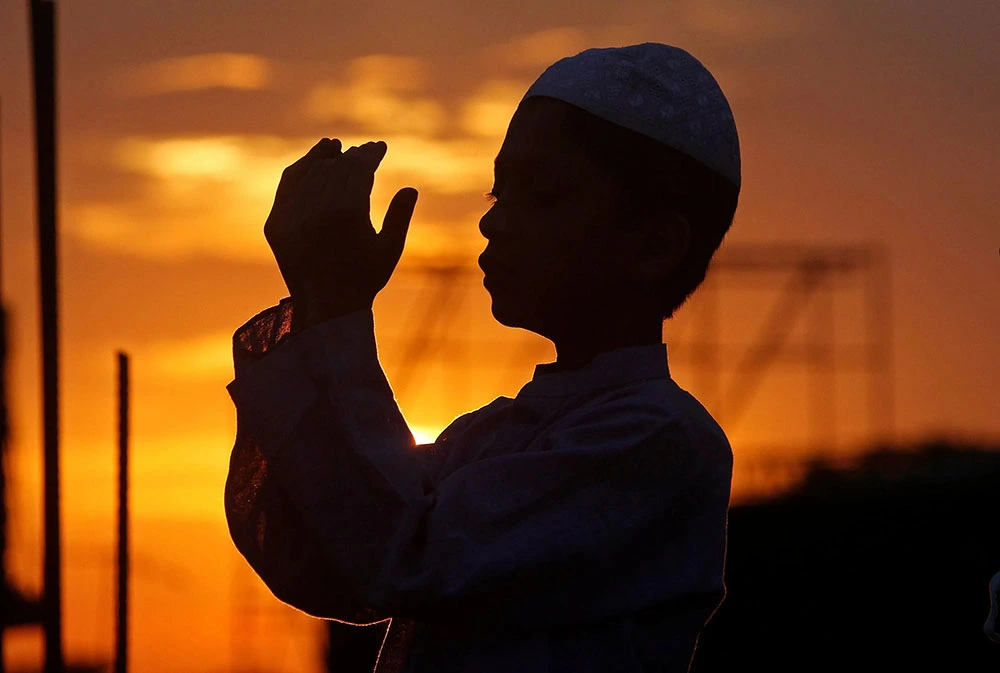
Fasting is a hidden act of devotion that nurtures sincerity and God-consciousness. A reflection on its inner meaning, spiritual discipline, and the unseen reward promised to those who fast.
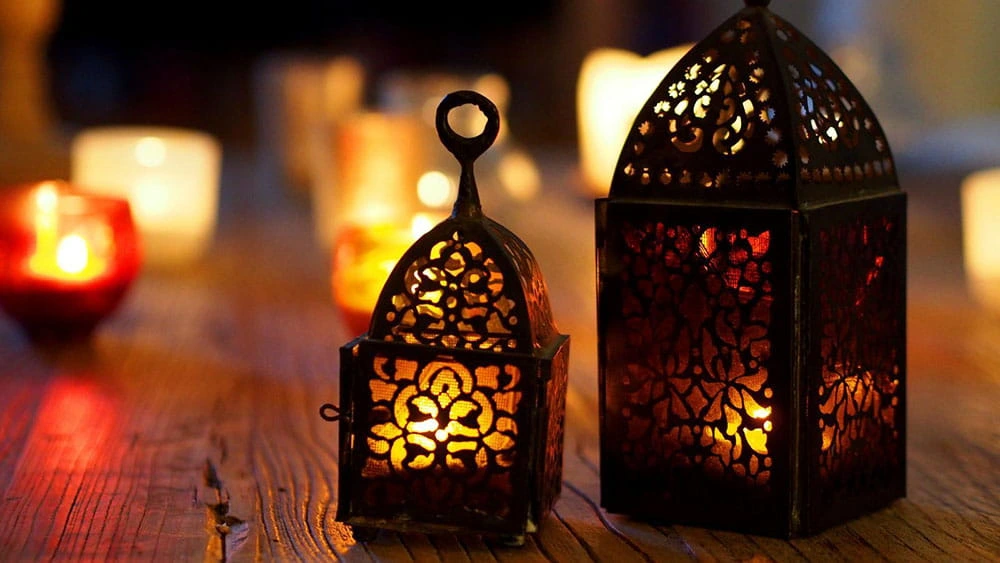
The Ramadan lantern is a symbol of light and joy in the holy month—an enduring tradition that blends family warmth, visual beauty, and the spirit of giving that defines Ramadan nights.

Calculating zakat on gold begins by knowing the legal nisab and its amount, then determining the required zakat rate and the time it becomes due, along with clarifying the ruling on gold jewelry and whether zakat is paid in gold itself or in cash, according to scholarly opinions.
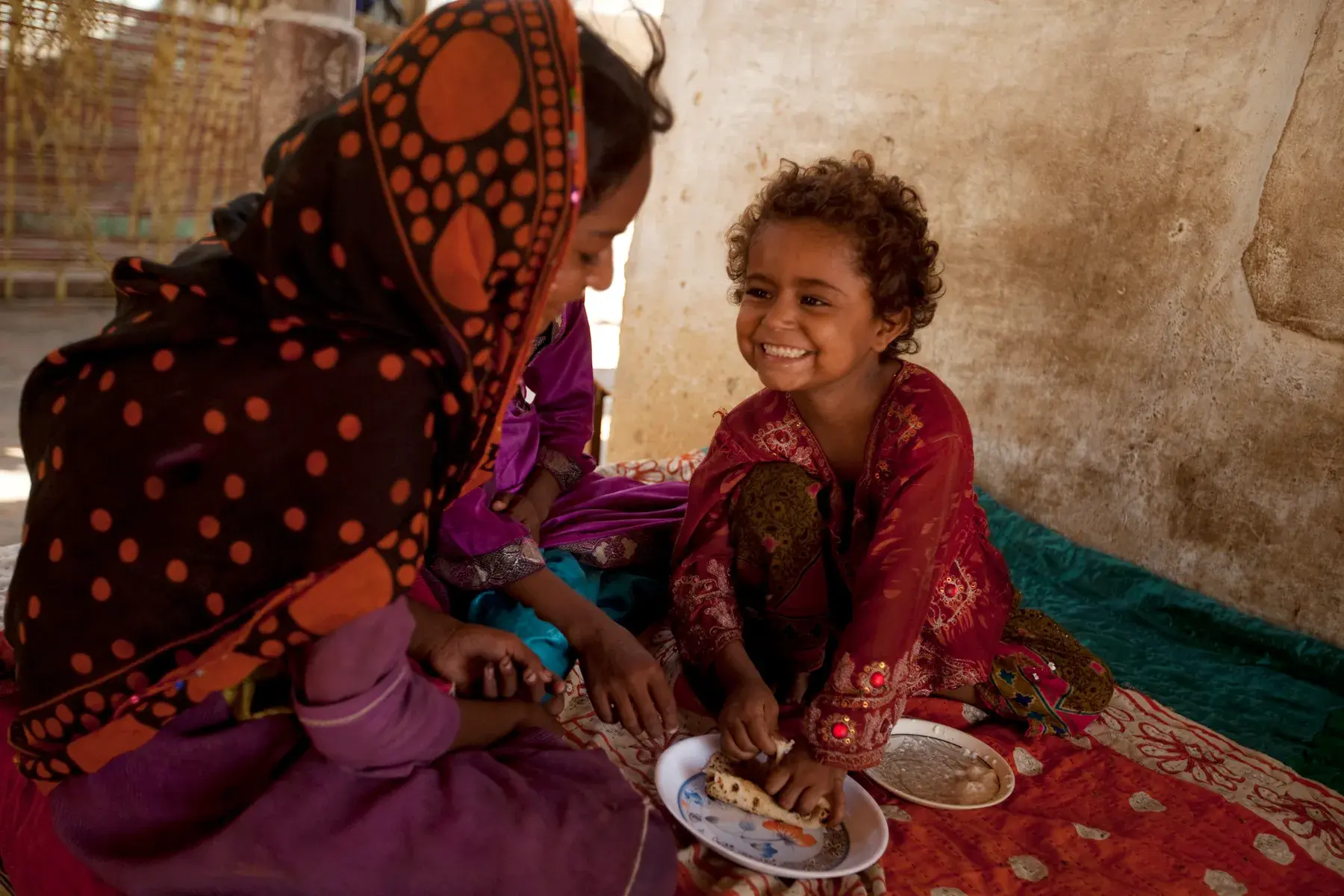
Ramadan is a season of mercy and human solidarity, where worship is completed through compassion, cooperation, and meaningful support for those in need.
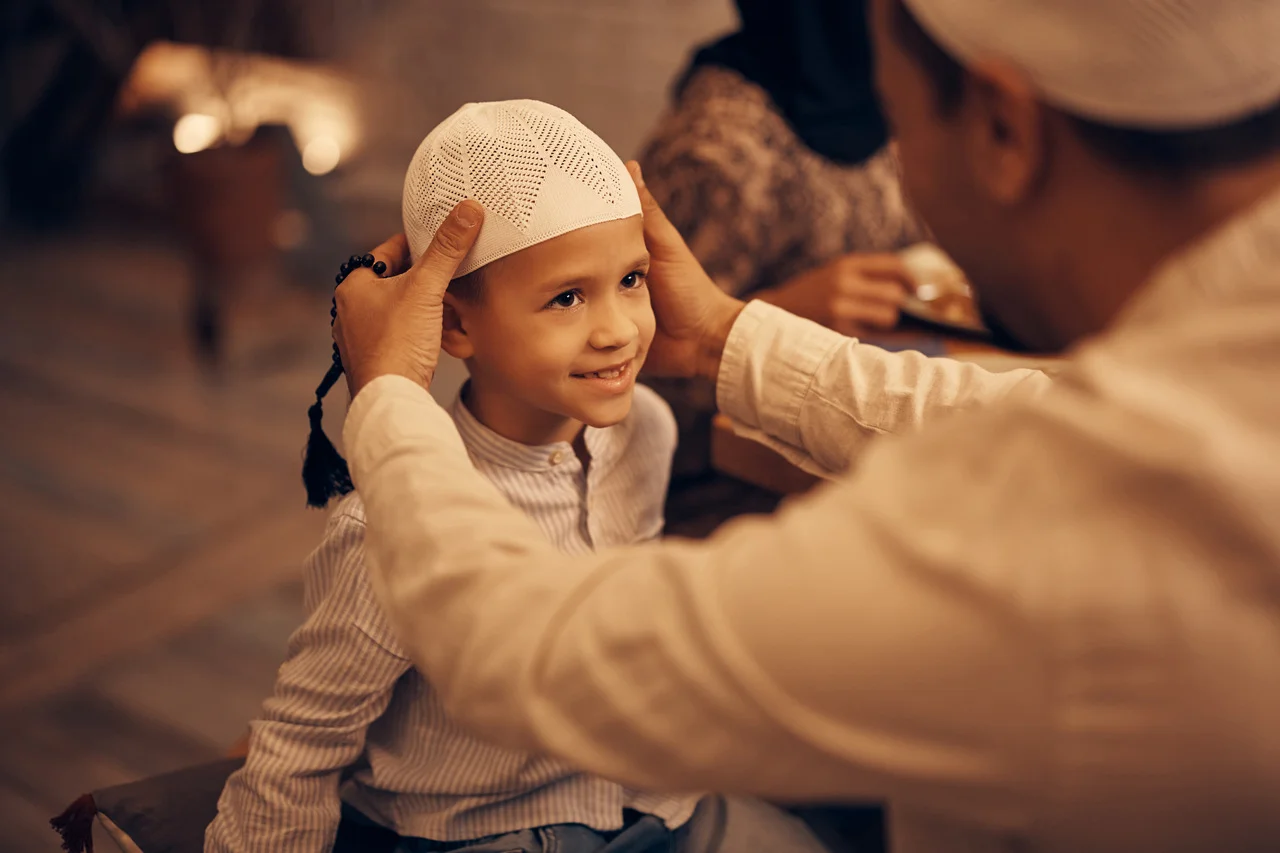
Raising children to fast is not merely physical training, but a spiritual upbringing that instills patience, empathy, and self-discipline through love, example, and meaningful Ramadan values.