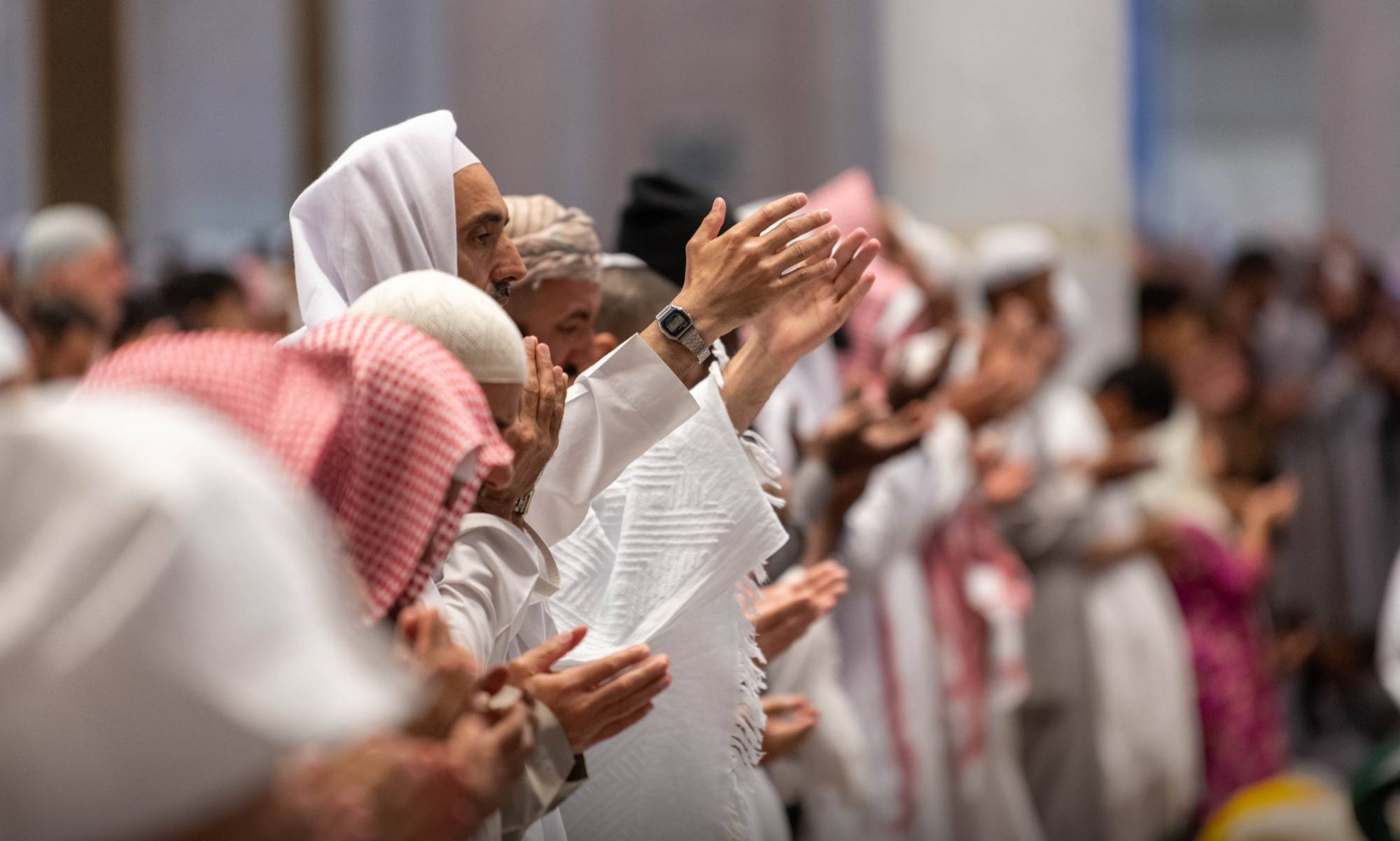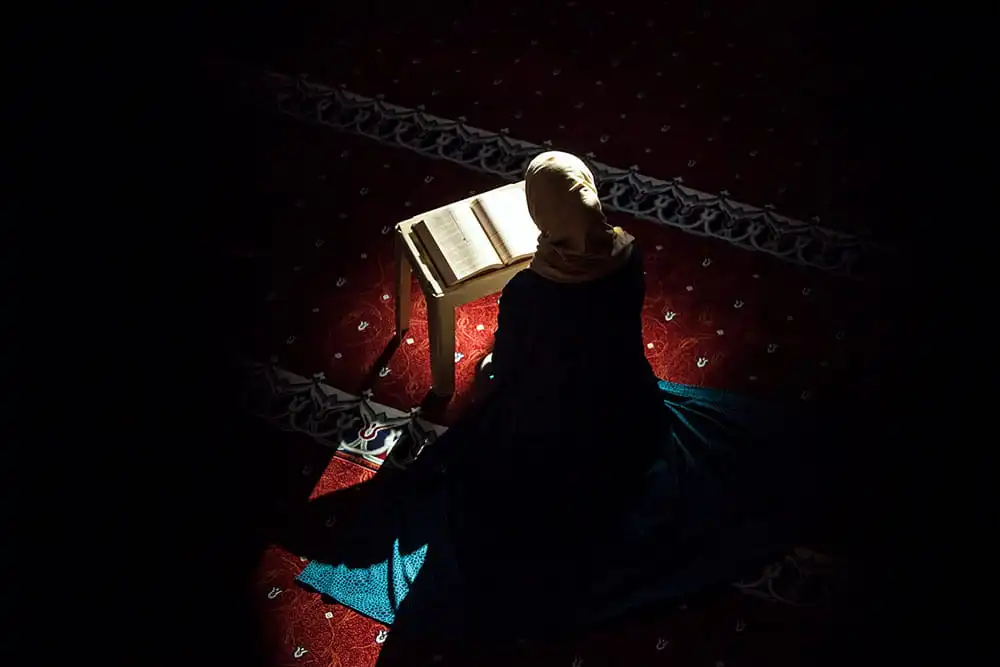
Qiyam al-Layl refers to voluntary prayers and remembrance of Allah during the night after sleeping. It is among the greatest acts that draw a servant close to Allah.
Allah says in the Qur’an:
“And from [part of] the night, pray with it as additional [worship] for you; it is expected that your Lord will resurrect you to a praised station.” [Al-Isra: 79]
The Prophet ﷺ said:
“The best prayer after the obligatory prayers is the night prayer.” (Sahih Muslim)
Qiyam al-Layl purifies the heart, renews faith, and offers a private moment of communion with Allah, away from daily distractions.
The Virtues of Qiyam al-Layl
-
Strengthening the connection with Allah: Deepens faith and brings tranquility to the heart.
-
Forgiveness of sins: The Prophet ﷺ said:
“Whoever stands [in prayer] during Ramadan out of faith and seeking reward, his previous sins will be forgiven.” (Agreed upon)
-
Spiritual renewal: Night worship revitalizes the soul after the day’s labor and fatigue.
Lessons from the Prophet’s Life
-
Prophet Muhammad ﷺ: Maintained night prayer consistently, saying:
“I stand for prayer at night until my feet swell.” (Sahih al-Bukhari)
-
Abu Bakr al-Siddiq (RA): Prayed at night with humility and tears, showing love for Allah and fear of His punishment.
-
Ali ibn Abi Talib (RA): Consistently performed Qiyam al-Layl and encouraged companions to strive in night prayers, emphasizing it as a secret of closeness to Allah.
Reflecting on these examples provides spiritual motivation and inner strength, inspiring believers to emulate the Prophet ﷺ and the righteous companions in night worship.
How to Maximize Qiyam al-Layl
-
Set a dedicated time: Even an hour before Fajr, despite a busy schedule.
-
Recite supplications and dhikr: For example:
“O Allah, You are Most Forgiving and You love forgiveness, so forgive me.” (At-Tirmidhi)
-
Recite the Qur’an with focus: Let the Qur’an illuminate your night and soul.
-
Practice mindfulness and humility: The night is for reflection, silence, and heartfelt devotion.
Scholarly Rulings
The Council of Senior Scholars states:
“Qiyam al-Layl is a confirmed Sunnah and one of the best acts that elevate ranks and increase faith. Its virtues are immense for those who are consistent and sincere.”
Scholars also recommend consistency over intensity: “Regular nightly worship, even in small amounts, is better than an isolated long night without habit.”
Spiritual Reflections
Qiyam al-Layl is not just prayer; it is a sacred dialogue with the heart and Allah, a time to release daily worries, seek guidance, and renew one’s covenant with God.
Daily practice nurtures inner peace, reorganizes priorities, and equips the believer to face life’s challenges with serenity and resilience.
Conclusion
Qiyam al-Layl shapes the soul from within, strengthens faith, and fills the heart with tranquility. Embrace this night worship, make it a spiritual habit, and experience a profound connection with Allah after Ramadan and throughout the year.