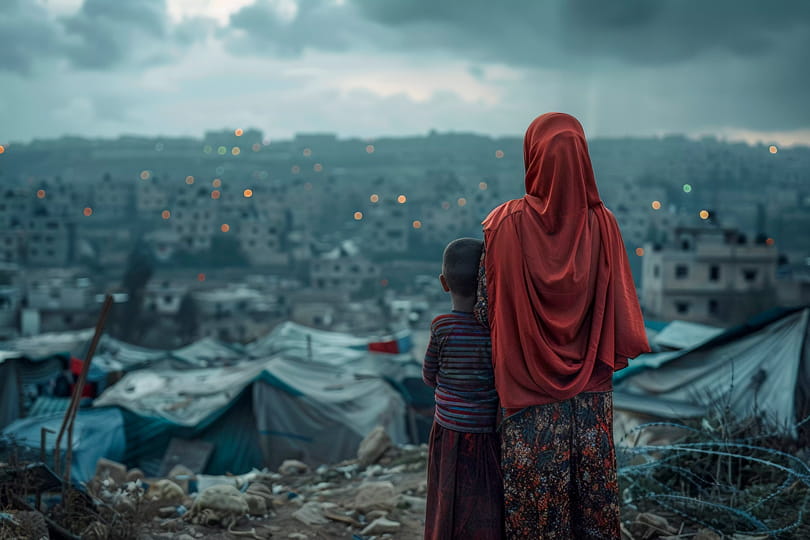
Ramadan does not arrive merely to add another act of worship to the Muslim’s routine; it comes to reorder life’s deepest concepts, foremost among them wealth and poverty. In a month where desires are restrained and the body is trained to suffice, the fragility of material standards becomes clear, and a more humane and enduring scale emerges.
Wealth: What Is Not in One’s Hands
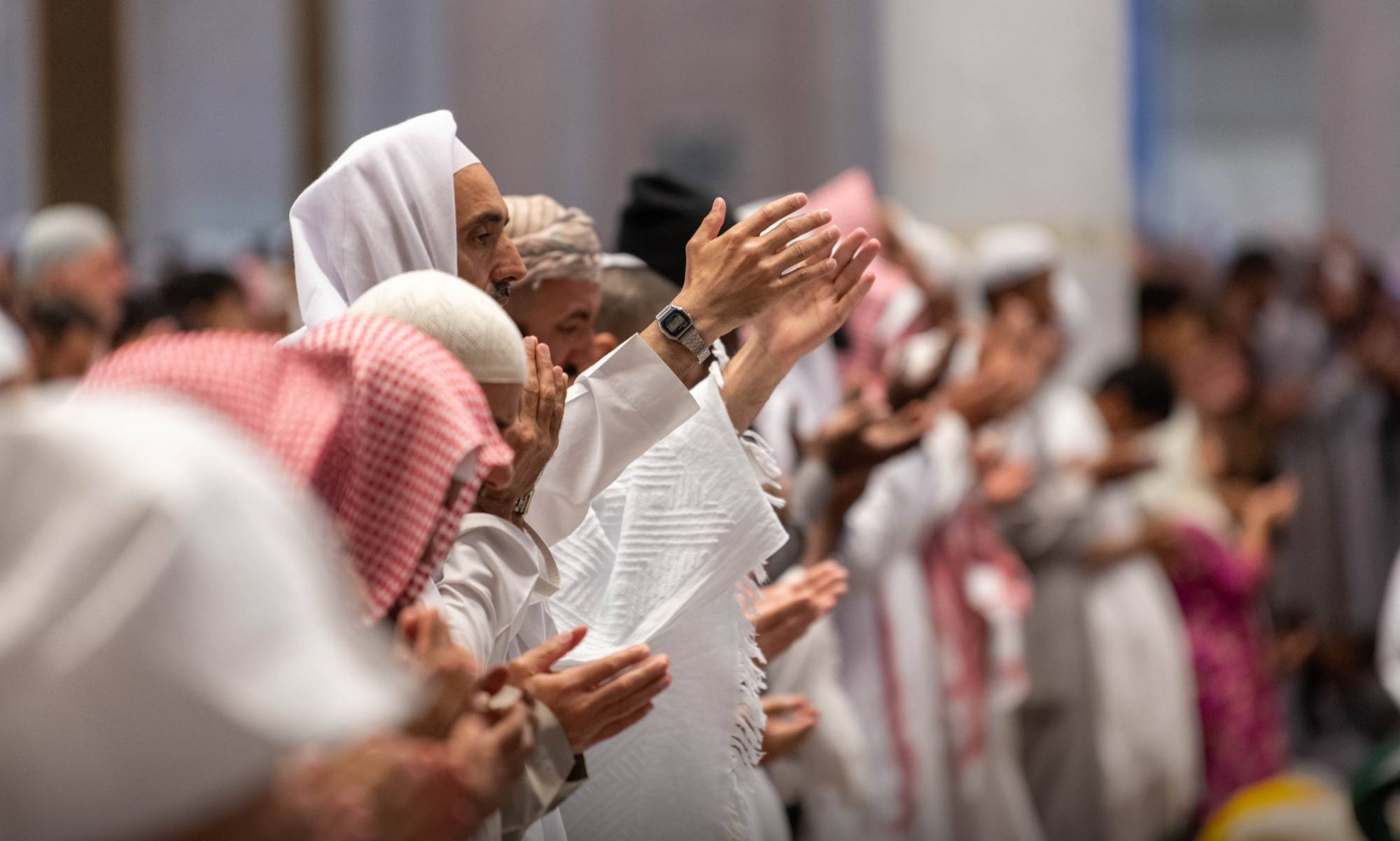
Modern life often defines wealth by possession—money, property, influence, and the power to consume. Ramadan quietly dismantles this definition. Regardless of status, every fasting person waits for sunset with the same hunger and thirst, stripped of privilege and excess.
In those hours, people become equal in need, and a deeper question arises:
Is wealth abundance, or patience?
Is it accumulation, or contentment?
Ramadan answers gently: true wealth lies not in what we own, but in what we can live without.
Poverty: Beyond the Empty Pocket
Just as Ramadan redefines wealth, it purifies the concept of poverty. Poverty is not merely the lack of money; it is insecurity, loss of dignity, and the constant weight of unmet needs.
When a person fasts by choice, they come closer to understanding the one who fasts by necessity. Hunger becomes a bridge of awareness, transforming fasting from a private ritual into a moral and social experience. Not every poor person lacks wealth, and not every wealthy person is free from need.
Fasting as a Philosophical Practice
At its core, fasting is not an act of deprivation, but a question lived daily:
What do we truly need?
What can we let go of?
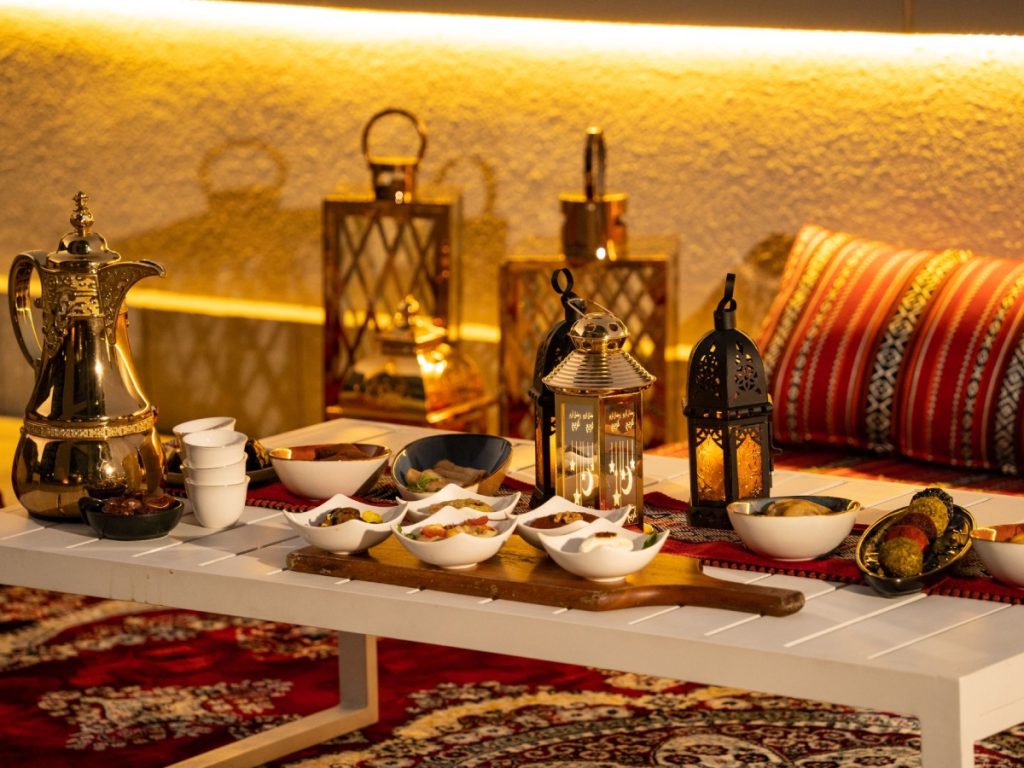
This question is not debated in books; it is experienced at the iftar table. As the fasting person realizes they can live with less, the illusion of necessity fades, consumerism loses its grip, and human essence re-emerges—simple, aware, and grounded.
In this sense, Ramadan becomes a silent philosophical practice, training the soul to detach from excess and return to balance.
Charity: Redistributing Meaning
Ramadan does not stop at reflection; it translates values into action. Zakat, charity, and feeding others are not gestures of kindness alone, but acts that redistribute both wealth and meaning.
When the wealthy give, their hearts are freed from attachment. When the needy receive, dignity is restored alongside nourishment. Both sides learn the same lesson: money is a means, not an end, and human dignity surpasses all possessions.
A Different Measure of Worth
In Ramadan’s quiet nights, as distractions fade and hearts draw closer, societies rediscover a different hierarchy. Worth is no longer measured by financial power, but by generosity, faith, and service to others.
Here, the truly wealthy are those who give, not those who store.
And the truly poor are those deprived of purpose, not income.
Beyond Ramadan
The real test begins after the month ends. Wealth unexamined returns to heedlessness, and poverty misunderstood returns to marginalization. But those who grasp Ramadan’s message leave with a renewed lens—one shaped by justice, mercy, and shared responsibility.
Conclusion
When Ramadan redefines wealth and poverty, it does not do so temporarily. It reminds humanity of a timeless truth: every person is in need, no matter how much they possess, and truly rich when faith fills the heart.
In a world of widening gaps, Ramadan remains a quiet annual call:
Wealth is not having more.
Poverty is not having less.
True richness is knowing what truly deserves to be held.