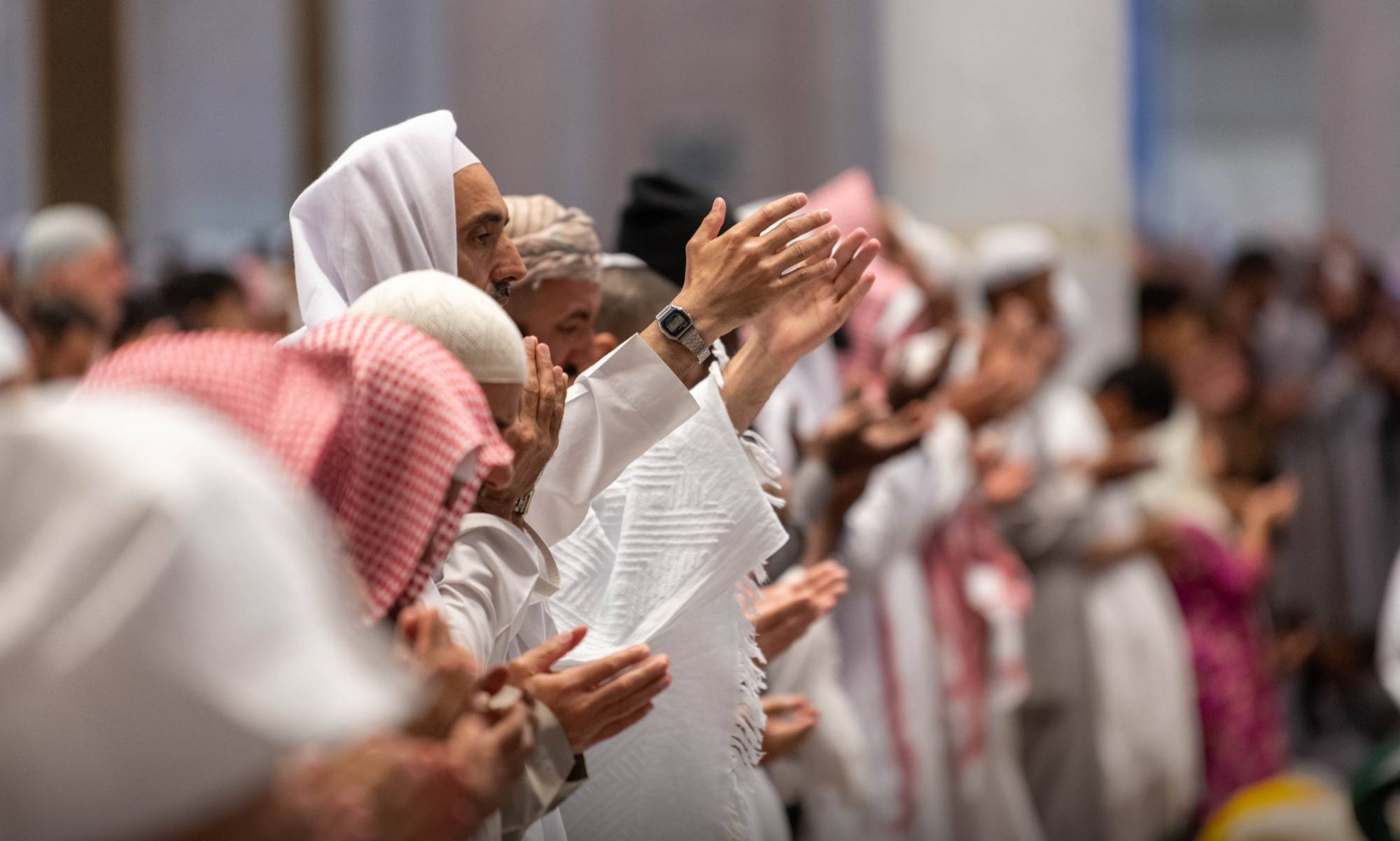
Allah Almighty prescribed fasting for the believers due to the great wisdom and noble benefits it contains. He says in Surah Al-Baqarah:
“O you who believe, fasting has been prescribed for you as it was prescribed for those before you, so that you may attain piety.”
Piety (taqwa) is the highest objective of fasting and the ultimate fruit of this great act of worship.
Fasting is not merely abstaining from food and drink; it is fasting of the limbs from sins, of the tongue from lying and backbiting, and of the heart from hatred and malice. Thus, fasting becomes a comprehensive school that nurtures good character and self-discipline in the Muslim.
Through fasting, a person feels the suffering of the poor and the needy, softening the heart and increasing compassion for others. This nurtures the values of mercy and generosity within the believer.
Fasting also reminds the Muslim of the countless blessings Allah has bestowed upon him, prompting gratitude and proper use of those blessings in obedience to Him. Among the greatest effects of fasting is that it strengthens the bond between the servant and his Lord, deepening faith, increasing sincerity, and making obedience flow from the heart before the limbs—an impact that reflects positively on both individual conduct and society as a whole.