Home
اكفل يتيم
The Virtue of Feeding a Fasting Person

The Virtue of Feeding a Fasting Person

Feeding a fasting person is one of the greatest acts of goodness encouraged in Islam, especially during the blessed month of Ramadan—the month of mercy and forgiveness. It is a simple act in appearance, yet immense in reward, combining worship, kindness, and social solidarity.
2026-01-27 Back to Blogs


Feeding a fasting person is one of the greatest acts of goodness encouraged in Islam, especially during the blessed month of Ramadan—the month of mercy and forgiveness. It is a simple act in appearance, yet immense in reward, combining worship, kindness, and social solidarity.

The Virtue in the Prophetic Tradition

The Prophet Muhammad (peace be upon him) said:
“Whoever provides food for a fasting person to break his fast will receive the same reward as the fasting person, without any reduction in the latter’s reward.”
This highlights the عظيمة reward of this act and the vast mercy of Allah.

Feeding the Fasting as a Door to Mercy

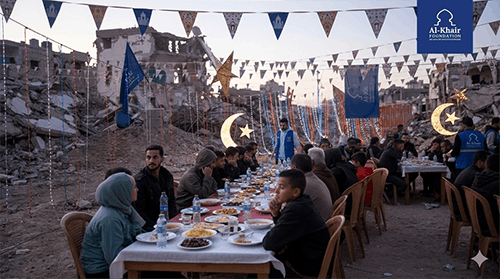
Providing iftar reflects compassion and mercy, easing the hardship of fasting for the poor, the needy, and displaced families. It strengthens bonds of brotherhood and care within society.

Great Reward for a Simple Act

By Allah’s mercy, even offering a date or a sip of water earns the full reward, making this virtuous deed accessible to everyone according to their ability.

Strengthening Social Solidarity

Feeding the fasting helps reinforce social ties, spread love and generosity, and promote the values of giving—especially during Ramadan, when rewards are multiplied.

Conclusion

Feeding a fasting person is not merely about offering food; it is a noble act of worship and humanity with lasting impact in this life and the Hereafter. Whoever seeks great reward and Allah’s pleasure should take part in this blessed act.


Share
Share the good—help this story reach more people.
Similar posts
What Remains of Ramadan: Reflecting on Values and Lessons Before Eid
Ramadan ends, yet its impact remains: patience, connection with God, and ongoing generosity—lessons to carry into Eid and throughout the year.
Concluding the Qur’an Recitation: Reflection and Spiritual Fulfillment in Ramadan
After completing a Qur’an recitation in Ramadan, moments of reflection deepen the connection with God and leave a lasting spiritual impact on the reader’s heart and mind.
The Nights of Liberation: Ramadan’s Blessed Opportunities for Forgiveness and Mercy
The Nights of Liberation in Ramadan are moments of mercy and forgiveness. Learn their spiritual and historical significance and how to maximize these blessed nights.
Qiyam al-Layl: Moments That Shape the Soul and Bring the Heart Closer to Allah
Qiyam al-Layl (night prayers) renews the heart and soul. Learn its virtues, Quranic guidance, prophetic traditions, scholarly rulings, and spiritual reflections from the Prophet ﷺ.
Laylat al-Qadr: A Night of Manifested Mercy and Forgiveness of Sins
Laylat al-Qadr is better than a thousand months. Discover its virtues, recommended supplications, and how to make the most of this blessed night according to the Qur’an, Sunnah, and scholars.
How Does the Fasting Person Sign the Covenant of Patience Before the Day Begins?
Suhoor is an act of devotion with two dimensions—a soul that advances and a body that endures. Revelation pointed to it, science has explained it, and its blessing is realized before dawn and extends throughout the day.
Contact Us
All rights reserved to Al Khair Foundation 2026