Home
اكفل يتيم
What Remains of Ramadan: Reflecting on Values and Lessons Before Eid

What Remains of Ramadan: Reflecting on Values and Lessons Before Eid

Ramadan ends, yet its impact remains: patience, connection with God, and ongoing generosity—lessons to carry into Eid and throughout the year.
2026-03-19 Back to Blogs

Farewell to Ramadan: A Moment of Reflection

As Ramadan draws to a close, hearts feel a mix of gratitude and gentle sorrow. The blessed days filled with fasting, prayer, and nightly devotion leave a deep imprint on the soul. One question arises: what truly remains after the month ends?

Values and Habits We Carry Forward

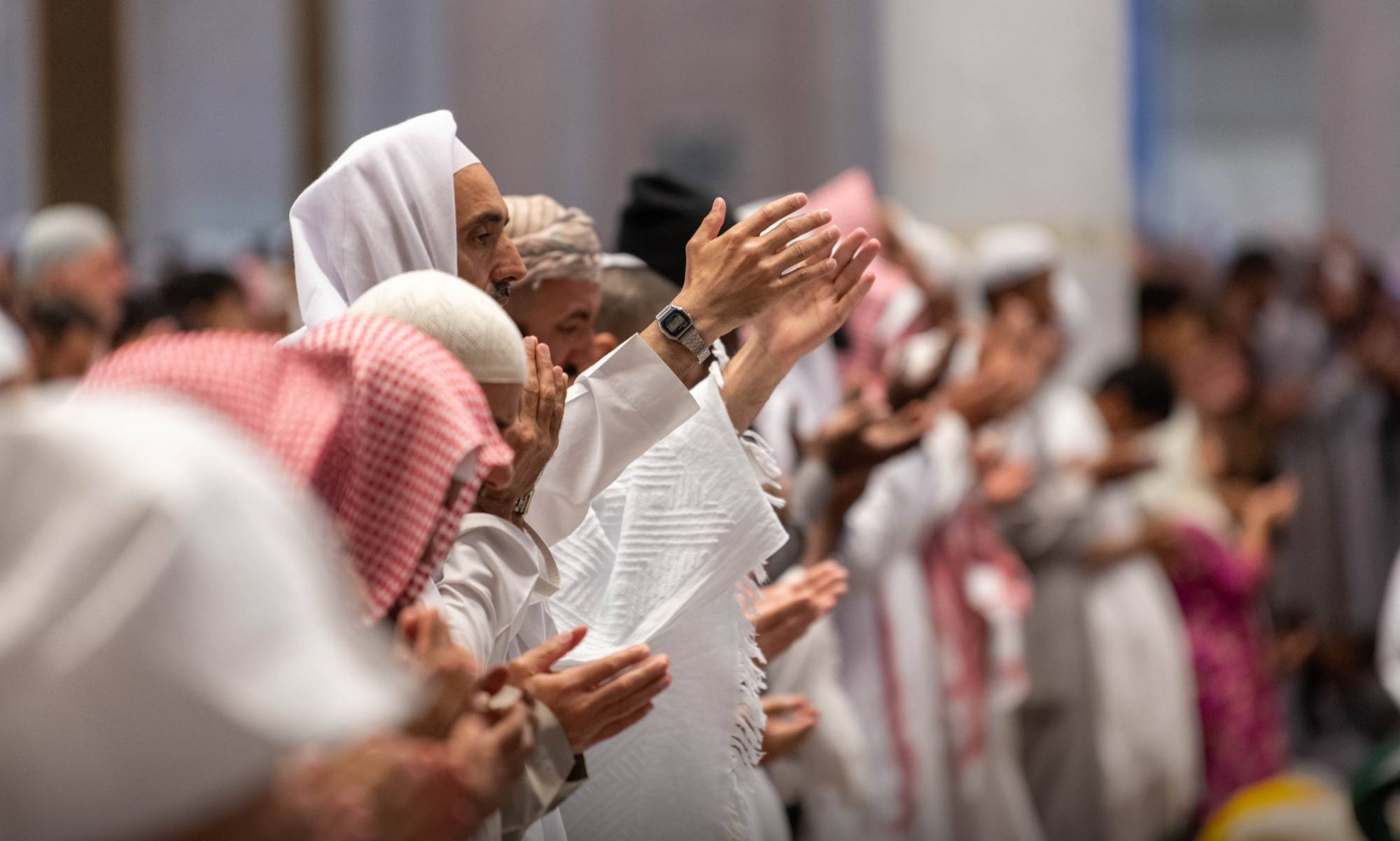
Ramadan is more than abstaining from food and drink; it is a school for patience, self-discipline, and strengthening our connection with God. In its final days, we realize that the lessons learned—acts of charity, honesty, and compassion—should not fade with the month but become part of our daily lives at home, at work, and in our communities.

The Impact of Reflection and Devotion

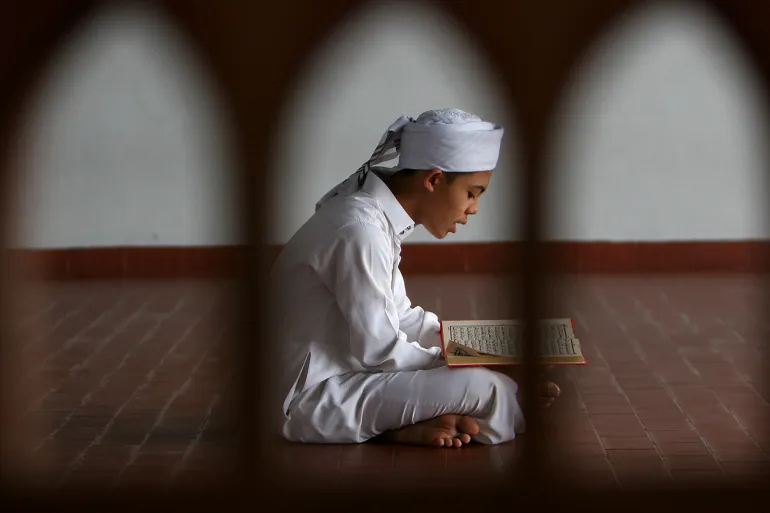
The Qur’an, a constant companion during Ramadan, leaves an enduring impression beyond the daily recitations. Completing the Qur’an and reflecting on its meanings teaches patience, inspires thoughtful living, and reminds us of the values that must guide us even after Ramadan concludes.

Continuity Beyond Ramadan

Ramadan is a starting point, not an endpoint. What remains is the ability to transform temporary acts of worship into lasting habits. Patience, forgiveness, generosity, and mindfulness—these are the Ramadan lessons we carry into life beyond the month.

Eid: An Ending and a New Beginning

As we enter Eid, we do not merely say farewell to Ramadan; we welcome a new phase in our spiritual journey. What remains of the month is a heart that has been nurtured, habits that have taken root, and values that continue to guide daily life throughout the year—not just for a few days marked on the calendar.

Share
Share the good—help this story reach more people.
Similar posts
Concluding the Qur’an Recitation: Reflection and Spiritual Fulfillment in Ramadan
After completing a Qur’an recitation in Ramadan, moments of reflection deepen the connection with God and leave a lasting spiritual impact on the reader’s heart and mind.
The Nights of Liberation: Ramadan’s Blessed Opportunities for Forgiveness and Mercy
The Nights of Liberation in Ramadan are moments of mercy and forgiveness. Learn their spiritual and historical significance and how to maximize these blessed nights.
Qiyam al-Layl: Moments That Shape the Soul and Bring the Heart Closer to Allah
Qiyam al-Layl (night prayers) renews the heart and soul. Learn its virtues, Quranic guidance, prophetic traditions, scholarly rulings, and spiritual reflections from the Prophet ﷺ.
Laylat al-Qadr: A Night of Manifested Mercy and Forgiveness of Sins
Laylat al-Qadr is better than a thousand months. Discover its virtues, recommended supplications, and how to make the most of this blessed night according to the Qur’an, Sunnah, and scholars.
How Does the Fasting Person Sign the Covenant of Patience Before the Day Begins?
Suhoor is an act of devotion with two dimensions—a soul that advances and a body that endures. Revelation pointed to it, science has explained it, and its blessing is realized before dawn and extends throughout the day.
Between Recitation and Reflection… Where Do We Stand?
Ramadan teaches the reader to pause with every verse: What is this verse calling me to today? Which virtue does it awaken? Which shortcoming does it expose? In this way, the Qur’an moves from a momentary act of devotion to a guiding light for the whole day.
Contact Us
All rights reserved to Al Khair Foundation 2026